UK-Wide Delivery Available
15% Off Your First Order, Sign Up To Our Newsletter
Chatsworth Collection Out Now

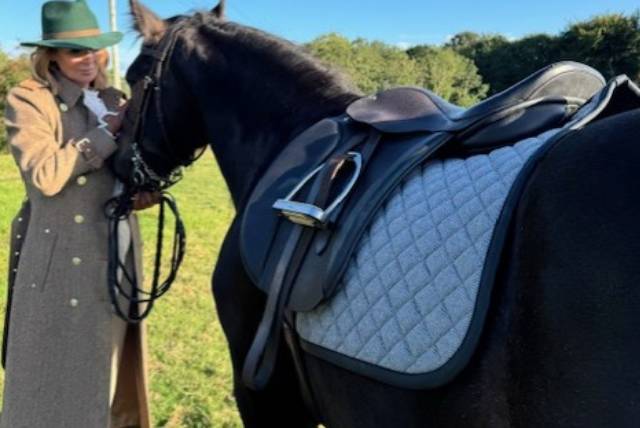
The UK horse market in 2025 is cooling after several boom years, but that is not the same as collapsing. Rising costs, more cautious buyers, and growing welfare scrutiny are reshaping how horses are bought, sold, and kept across the country. This guide breaks down what is actually happening, what it means for riders and owners, and the mistakes worth avoiding if you are buying, selling, or simply budgeting for a horse this year.
In short, the UK horse market in 2025 is slower and more cautious than during the pandemic years, driven by rising livery and feed costs rather than falling demand. Buyers are taking longer, checking more, and prioritising value over quick decisions, while sellers are seeing horses stay listed for longer than before.
The UK horse market in 2025 is cooling after the demand surge of 2020 to 2024, when horses often sold within hours. The current market moves more slowly and involves more steps, though it is far from collapsing. Passion for horses has not gone away, affordability has simply become the bigger constraint.
Rising costs sit at the centre of this shift in the UK horse market in 2025. DIY livery that cost around 150 pounds a month has climbed to 250 to 300 pounds in many areas, full livery in the South East can run over 1,000 pounds a month, and hay prices have risen from roughly 5 pounds a bale to 7 pounds, with premium small bales reaching 350 pounds a tonne.
Buyers in today’s UK horse market in 2025 are approaching purchases with far more caution than during the pandemic years. Multiple viewings, veterinary checks, and full clinical history are now the norm rather than the exception, a reversal of the urgency that defined 2020 to 2024.
This caution in the UK horse market in 2025 extends to equipment as well as the horse itself. Owners are prioritising value, durability, and long-term investment over impulse purchases, which is part of why products that last multiple seasons and perform across disciplines are in higher demand than disposable, trend-led kit.
One of the more serious threads running through the UK horse market in 2025 is welfare. Welfare organisations have reported a sharp rise in enquiries, rescue centres are under real pressure, and a meaningful share of owners say they are considering rehoming due to rising costs. This is not a side story to the market, it is a direct consequence of the affordability pressure riders and owners are under.
For riders, this reinforces why well-fitted, comfortable equipment matters. A numnah or saddle pad that fits poorly adds unnecessary discomfort at a time when every other cost is already under scrutiny. Our Black Tweed Numnah with Merino Wool Trim offers a closer contact fit with genuine merino wool trim, designed for daily schooling as much as polished turnout, and sits within the wider Numnahs collection.
The UK horse market in 2025 is not moving in one direction evenly. Elite horses, competitive eventers, advanced dressage prospects, and international level jumpers, continue to sell strongly. Steady cobs and children’s ponies also remain in demand. It is the middle market, amateur all-rounders and young unproven prospects, that is being hit hardest by cautious buyers and tighter budgets.
Warmblood demand has softened somewhat, while Irish types and Connemaras are commanding a premium for their reliability and versatility, according to the Whickr UK Horse Market Report 2025.
Whether you are buying, selling, or simply budgeting for the year ahead, a few habits are costing riders and owners more than they need to right now:
None of these mistakes are complicated to avoid, they mostly come down to patience and realistic budgeting rather than reacting to a slower UK horse market in 2025.
Sellers are feeling the slowdown just as much as buyers are feeling the caution. Horses are staying on the market longer, enquiries have dropped, and price reductions are increasingly common. Counterintuitively, cutting a price sharply does not always help in the UK horse market in 2025, cautious buyers often assume something must be wrong with a horse rather than seeing a lower price as good value.
Transparency tends to work better than discounting. Sellers who provide full clinical records, honest descriptions, and multiple viewing opportunities upfront are finding it easier to build buyer confidence than those who simply drop the price and wait. Breeders are feeling similar pressure, with some scaling back UK breeding programmes altogether as costs rise and buyers grow more selective about which prospects they are willing to take a chance on.
Interestingly, younger riders entering the UK horse market in 2025 are not rejecting tradition, they are embracing it, provided it comes with transparency, quality, and authenticity. They want to know where products are made, why specific materials were chosen, and how design decisions affect horse comfort, not just how something looks in a photo.
This shift favours heritage-led brands with a clear point of view over mass-produced imports chasing margins, a trend that lines up closely with how Foxbury approaches its own range. It is a reminder that the UK horse market in 2025 is not simply shrinking, it is changing shape, with a new generation of riders setting different expectations for the brands they choose to support.
Picture a rider budgeting for a first horse this year. The purchase price looks manageable, but livery, hay, and vet costs quickly add up to far more than expected. Rather than cutting corners on equipment once the horse arrives, riders who plan realistically from the outset tend to avoid the kind of false economy that costs more in the long run.
The same logic applies to tack. A well-made saddle pad or numnah bought once, cared for properly, and used for several seasons is almost always cheaper than replacing a poorly made one every few months, a lesson the wider UK horse market in 2025 is teaching buyers across every category, not just horses themselves.
No. Demand remains strong, particularly for elite horses, cobs, and children’s ponies. The market has slowed and become more cautious due to rising costs, which is different from a genuine decline in interest.
Buyers are conducting more viewings, requesting fuller clinical histories, and budgeting more carefully before committing, which naturally extends the time a horse stays listed compared to the rapid pandemic-era market.
Livery, feed, veterinary care, and equipment all need realistic budgeting. Rising livery and hay costs are a major factor in the UK horse market in 2025, and underestimating them is one of the most common mistakes buyers make.
Yes. Rising costs are linked to increased welfare enquiries and rehoming considerations, which is why choosing well-fitted, comfortable equipment matters more than ever for horses already under pressure from other factors.
It depends on the horse. Elite prospects, steady cobs, and children’s ponies are still selling well in the UK horse market in 2025, while mid-range, unproven horses are taking considerably longer to find the right buyer.
Not necessarily. The market is expected to stabilise as inflation eases, but waiting indefinitely can mean missing a genuinely well-matched horse. Budgeting realistically now is usually more useful than trying to time the market exactly.
The UK horse market in 2025 rewards patience, realistic budgeting, and brands that respect both riders and horses. If you have questions about which size or colour suits your pony or cob, the Foxbury team is happy to help, so get in touch.

