UK-Wide Delivery Available
15% Off Your First Order, Sign Up To Our Newsletter
Chatsworth Collection Out Now

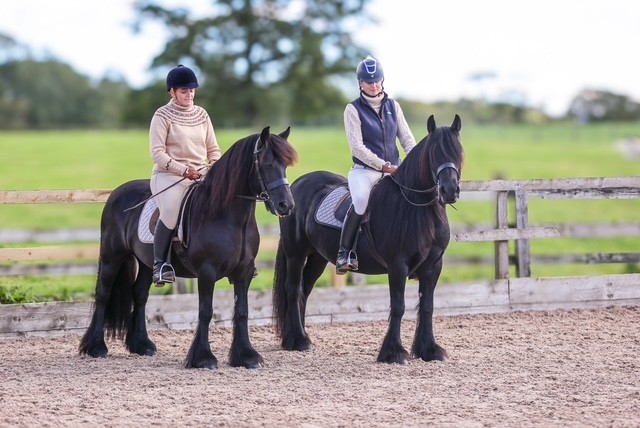
Horse shows classes explained and what to wear can feel like a lot to learn at once, especially if you are new to competing. Every class has its own expectations for turnout, tack, and presentation, and getting it right makes the difference between walking into the ring with confidence or second guessing every choice you made that morning. This guide breaks down the main class types, what judges look for, and how to dress yourself and your horse correctly.
In short, horse shows classes explained and what to wear go hand in hand. Check your show schedule for the class type, dress in clean traditional colours, fit a well maintained saddle pad or numnah, and do a full tack check the night before rather than the morning of the show.
Each class has its own turnout rules, so knowing which class you are entering is the first step. Most UK shows include a handful of recurring class types:
Each class has specific expectations for turnout, tack, and presentation, so it is worth checking your show’s schedule before you decide what to pack. In-hand classes focus on conformation, so coat, feet, and condition carry more weight than the rider’s outfit. Ridden classes shift the balance toward the partnership, with manners and way of going assessed alongside turnout.
Working hunter classes add a technical layer, since the horse must jump a course neatly as well as show well afterwards. Dressage and other performance disciplines are judged on accuracy within a set test, but turnout still matters because a scruffy outfit can distract from an otherwise correct test. Learning horse shows classes explained and what to wear for each discipline early saves a lot of last minute guesswork.
Judges assess far more than movement alone. For horse shows classes explained and what to wear, presentation is part of the overall picture. Judges typically consider:
Poorly chosen or ill-fitting equipment can undermine an otherwise strong performance, even when the horse goes well. A scruffy saddle pad or a numnah that has slipped out of place draws the eye for the wrong reasons, and once a judge notices one turnout detail, they tend to look more closely at everything else too. This is exactly why horse shows classes explained and what to wear should never be an afterthought the morning of a show.
Correct attire reflects respect for the discipline. While exact requirements vary by class and by show society, the underlying principles for horse shows classes explained and what to wear stay fairly consistent across UK showing:
The British Horse Society’s own dress guidance echoes the same underlying principle, safety and practicality should always come before formality, even in a discipline that values tradition as much as showing does.
Your saddle pad or numnah is one of the most visible parts of your turnout, and it matters more than many new competitors realise when working out horse shows classes explained and what to wear. It should:
The Cream Tweed Numnah with Merino Wool Trim is a good example of what to look for. It offers a closer contact fit than a full saddle pad, which suits schooling and formal turnout alike, and the merino wool trim is naturally breathable and gentle against sensitive skin. The neutral cream tone pairs well with most coat colours, which is part of why it works across so many showing situations. It sits within Foxbury’s wider Numnahs collection if you want to compare colourways. Washing it at 30 degrees and letting it dry flat keeps the merino trim looking sharp all season.
Knowing what to wear for each class matters just as much on a pony or a cob as it does on a full size horse, and Foxbury’s own customers are mostly riding the former. Local and Pony Club shows are increasingly turning out riders to the same standard as bigger competitions, so it is worth dressing correctly even when the class feels low key, rather than saving the effort for a bigger venue.
Welfare and turnout rules have been tightening across UK disciplines, and tack is now checked more closely at every level. For background on what has changed, see Foxbury’s guide to the major equestrian rule changes for 2025. Foxbury’s own Cob and Pony sizing takes some of the guesswork out of getting the fit right, though it is still worth a quick re-check at the start of the season, since growth spurts and changes in condition can throw off how a pad or numnah sits.
Picture a rider walking into a ridden showing class on a well turned out horse, clean tack, plaited mane, polished boots, but a numnah that has twisted under the saddle. It is a small detail, but exactly the kind a judge notices. Horse shows classes explained and what to wear are judged together, not separately, so even strong performances can lose marks over turnout details that were easy to fix beforehand.
A five minute check before you enter the ring, tack, numnah position, and your own kit, is usually enough to avoid this. Making that check part of your routine, rather than an afterthought, is what separates riders who look effortlessly turned out from those who are still fiddling with a strap at the in-gate. It is a small habit, but it covers most of horse shows classes explained and what to wear in under five minutes.
A few habits catch new competitors out when it comes to horse shows classes explained and what to wear:
Avoiding these mistakes is mostly about preparation rather than spending more money on kit. A clean, well-fitted outfit from last season will usually beat a brand new one that has not been tried on before show day, and getting horse shows classes explained and what to wear right is more about routine than budget.
Most UK shows include in-hand classes, ridden showing classes, working hunter classes, and dressage or performance disciplines, each with its own turnout and tack expectations.
Yes, in classes judged on presentation, turnout is assessed alongside the horse’s way of going, so a scruffy or ill-fitting outfit can genuinely cost marks even with a strong performance.
Check your specific class’s requirements in the show schedule, choose clean traditional colours, and do a full tack and turnout check the night before rather than the morning of the show.
Not always, but a well-fitted saddle pad or numnah that suits the discipline makes horse shows classes explained and what to wear easier to manage across multiple class types.
Horse shows reward preparation. Riders who understand horse shows classes explained and what to wear, respect tradition, and present themselves professionally stand out for the right reasons. Getting horse shows classes explained and what to wear right every time comes down to routine, not luck. If you are not sure which numnah or saddle pad colourway suits your horse best, the Foxbury team is happy to help, so get in touch.

